The Cost of Accumulation
A Cautionary Tale
The Real Cost of Storing “Stuff Worth Saving"
We’ve all felt it: that tug on the heartstrings when deciding whether to keep Grandma’s rocking chair, the dated but still perfectly functional sofa, or the serving platters reserved for special occasions. These are things that are sentimental, still useful or simply too nice to give away.
A common solution for all that stuff worth saving is... to store it.
Often, all that just in case stuff and I might need that someday stuff and too nice to donate stuff means putting it in the back of a closet or a the corner of an attic or basement.
Sometimes it goes into a self-storage unit.
However, more often than not, it isn’t temporary at all.
Chances are, once those items go into storage, they sit there for a very long time.
Holding onto things feels responsible and sentimental, even safe. But over time, that feeling can quietly turn into a heavy emotional and financial burden.
Over the past decade, we have worked with families who have rented storage units for years, paying month after month for belongings for which there was no real plan beyond “we may need it someday.” (See a real-world example below.)
We have also witnessed adult children and their parents locked in standoffs over what to do with end tables, dressers, and inherited furniture—battles worthy of their own mini Storage Wars franchise.
The reality is that these arguments are rarely about furniture. They are about guilt, memory, obligation, and fear of letting go. These conflicts are exhausting, emotionally draining, and usually avoidable.
At one point, we considered starting a Songbird Storage business because so many clients believed storage could solve a problem or postpone a difficult decision. But we ultimately decided that storage was not the solution. So we leaned into what we're really good at: supporting families and helping with decision-making during the downsizing process.
Our goal is to make downsizing as stress-free and seamless as possible. We help you identify what you truly want to keep by using curation strategies such as selective sentimental value. We help people release, donate, repurpose, or re-home what no longer serves them. We love helping clients achieve what we call the Downsizing Double Win, which is that sweet spot where you gain space, peace of mind, and clarity, while foster youth or another cause you care about benefits from furniture and other useable household items.
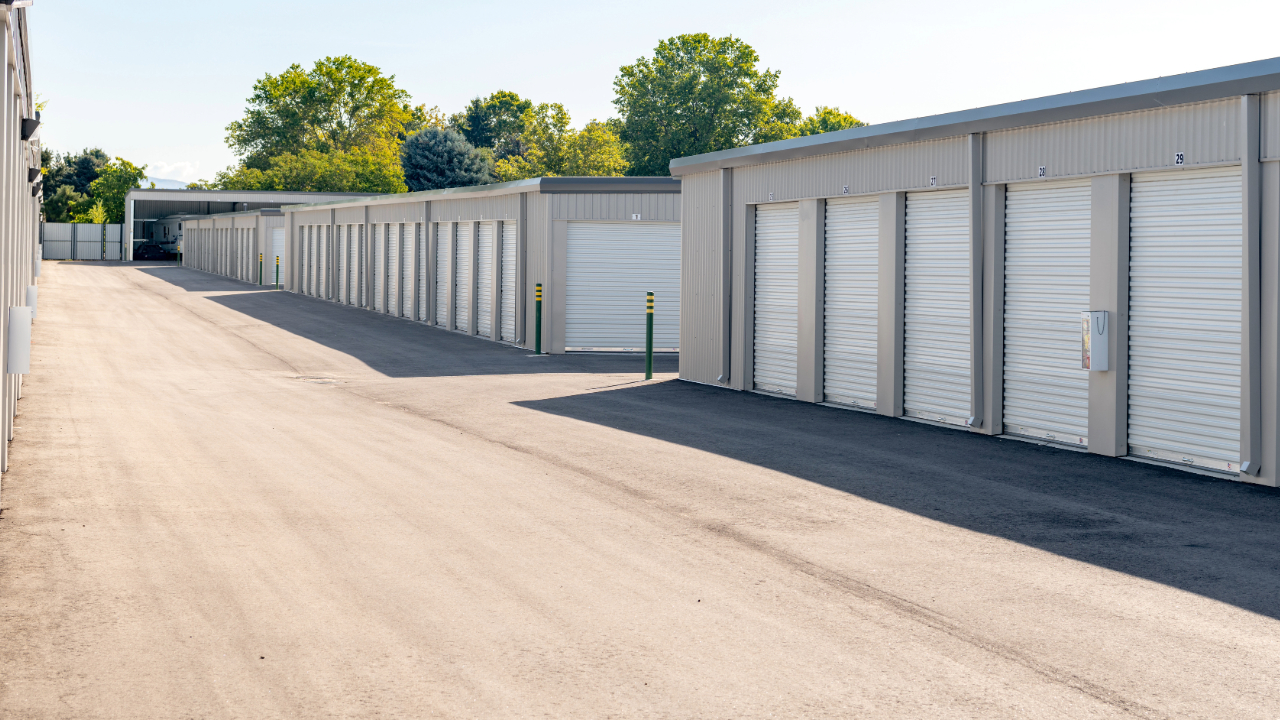
Don’t get us wrong: self-storage units can be practical solutions, especially when used intentionally and temporarily. We've found them to be invaluable when we've run into construction delays or renovation issues. We've also helped clients move art and salable items into temporary storage until items can be sold or picked up by a family member.
In these cases, storage acts as a short bridge between two known points. There is a clear purpose, a timeline and a plan.
Before signing another storage lease, consider the following questions:
- What is my specific reason for storing this, and what is the plan for it?
- How long do I realistically expect these items to remain in storage?
- What will it cost me to store this for one year, three years, or five years?
- What would it cost to replace the items I am storing if I truly needed them again?
- Am I paying to store items because I plan to use them, or because I am not ready to make a decision?
- Is the emotional relief of “not dealing with it right now” worth the long-term financial cost?
At the end of the day, your storage unit should not be the most expensive closet you own. It's not meant win an argument with family members or preserve every object that your loved one ever owned. quietly collecting rent while your furniture ages and your boxes grow dustier.

At one of our local self storage companies, Broad & York Storage, a 10 × 25' unit rents for $176 per month (as of January 2026). That adds up to more than $4,000 to hold furniture and boxes for two years ($176 × 24 months = $4,224) or $10,560 over five years.
One family we’ve worked with had rented two 10×25 storage units for over seven years. We guessed they probably spent $25,000 or more to store their stuff.
Another client confessed to spending $30,000 storing their deceased parents' furniture in another state for more than 15 years.
That's money you never get back...and money just to keep things you aren’t using.
So before signing another storage lease, take a deep breath and ask:
“Do I really need to save this — or am I just afraid to let it go?”
Because the stuff you love shouldn’t own you.
If you or a loved one plan to downsize or relocate within Central Ohio, contact Songbird for a free initial consultation.
If you live elsewhere in the country, consider Downsizing Done Right, our step-by-step video-based guide & resource book. We are also available for personalized downsizing consulting, training and coaching services via Songbird Support.
Discover more downsizing tips on our Resources page.
Downsizing Resources